Decode. Citable builds the profile from your brand and the buyer groups behind your sales.
Your team uses Claude and ChatGPT. Do they know your brand?
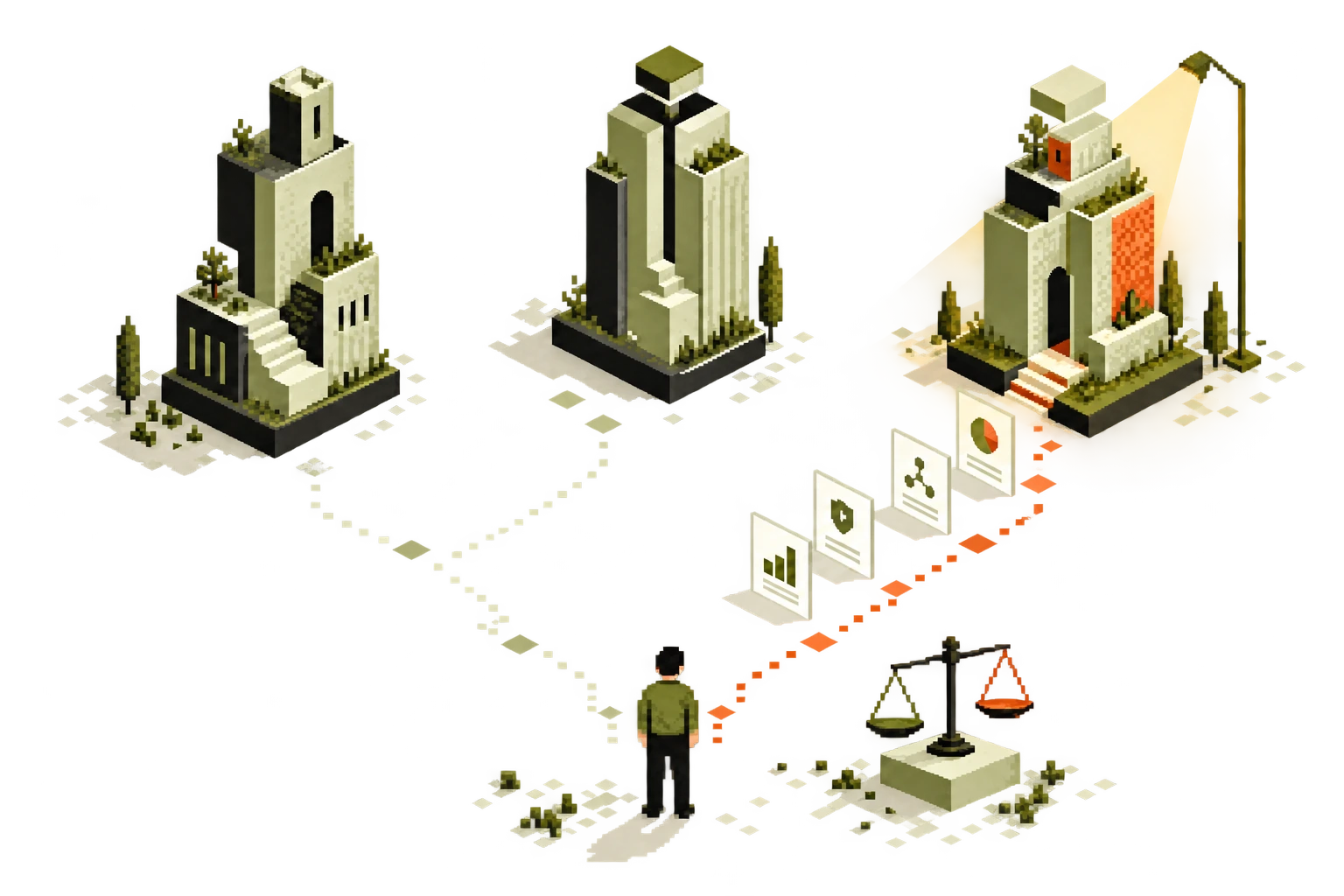
Every new chat starts from scratch unless the assistant can read what your team already knows. Citable keeps one profile for your brand, and Claude or ChatGPT read the same profile and skills through MCP, so the whole team works from one source.
What you get
- One brand profile: a voice for each channel account, customer segments, differentiators, competitors and knowledge entries.
- Skills: workflows that worked, saved once and run from any connected AI app after an owner or admin approves them.
- Facts from a conversation added to the profile only after a person reviews them.
How it works
Act. Connect Citable to Claude or ChatGPT. The assistant reads the profile and skills when it drafts, and the Citable Brand Agent uses the same profile.
Improve. Save a workflow that worked as a skill. An owner or admin approves it in Citable, and connected apps use the latest approved version.
Run this from your AI assistant
Connect Citable to Claude or ChatGPT, then ask in your own words. Anything that spends or publishes waits for your approval.
Using Citable, tell me about my brand: who we sell to, our voice on each channel and our competitors.Questions teams ask about brand knowledge and AI
What does an assistant read from Citable?
Brand context, gaps and next actions, plus the brand's profile and approved skills. It can draft work that waits for a person's approval.
Can an assistant publish or spend on its own?
No. Drafts wait for a person to approve them in Citable, and nothing publishes or spends without approval.
Who decides what goes into the profile?
Your team. Facts from a conversation are added only after a person reviews them, and a skill runs only after an owner or admin approves it.
Which assistants can connect?
Claude, through Settings, Connectors, Add custom connector, and ChatGPT Business, Enterprise or Edu on the web, through a custom MCP server with OAuth.